A new study by MIT researchers indicates that when we process language, we often make these kinds of mental edits. Moreover, it suggests that we seem to use specific strategies for making sense of confusing information — the “noise” interfering with the signal conveyed in language, as researchers think of it.
Tag Archives: science
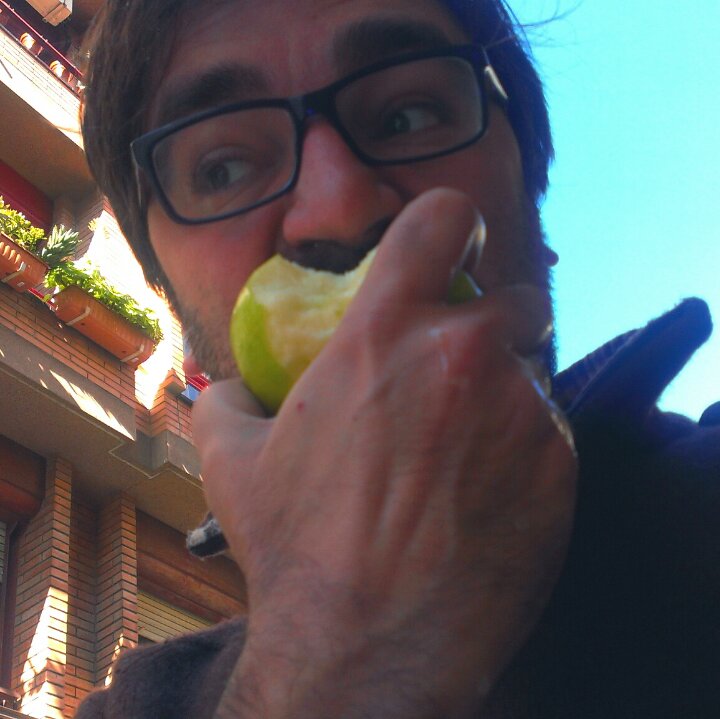
Making fruit easier to eat increases consumption in school cafeterias
A study by Cornell University’s Food and Brand Lab researchers Brian Wansink, David Just, Andrew Hanks, and Laura Smith decided to get to the bottom of why children were avoiding their fruit. Could, perhaps, increasing the convenience of fruit increase consumption?
Making fruit easier to eat increases sales and consumption in school cafeterias
Photovoltaic Polymer Lets Damaged Retinas See the Light
Italian Institute of Technology Researchers Use Photovoltaic Polymer to Restore Light Detection to Damaged Retinas
A team of neuroscientists and materials scientists has shown that a photovoltaic polymer can restore light-sensing capabilities to damaged retinas, offering hope of a simple way to restore vision to many people with degenerative eye disease.
One day…
Related article:
http://www.technologyreview.com/news/512511/photovoltaic-polymer-lets-damaged-retinas-see-the-light/
The Algorithm That Helps You Friend People You Don’t Know
Computer scientists have developed an algorithm that uses the structure of a social network to find the best strategy for friending people you don’t know
Using smart mathematical methods & tools to connect people sounds fun as well as intriguing. Becoming friends/followers on social networks is part of a process that involve lots of issues including critical concepts like privacy, confidentiality, trustability, curiosity, emotions, expectations (short term / long term benefits). We’ll see how these kind of theories might find form as a tool that would help in yielding better personal & professional connections.
You can take a look at the short news published at MIT Technology Review to get more insights about the research: The Algorithm That Helps You Friend People You Don’t Know | MIT Technology Review.
And here is the submission page related with this research paper : Maximizing Acceptance Probability for Active Friending in On-Line Social Networks
Your Brain Is Hooked on Being Right – Judith E. Glaser – Harvard Business Review
Your Brain Is Hooked on Being Right – Judith E. Glaser – Harvard Business Review.
In situations of high stress, fear or distrust, the hormone and neurotransmitter cortisol floods the brain. Executive functions that help us with advanced thought processes like strategy, trust building, and compassion shut down. And the amygdala, our instinctive brain, takes over. The body makes a chemical choice about how best to protect itself — in this case from the shame and loss of power associated with being wrong — and as a result is unable to regulate its emotions or handle the gaps between expectations and reality. So we default to one of four responses: fight (keep arguing the point), flight (revert to, and hide behind, group consensus), freeze (disengage from the argument by shutting up) or appease (make nice with your adversary by simply agreeing with him).
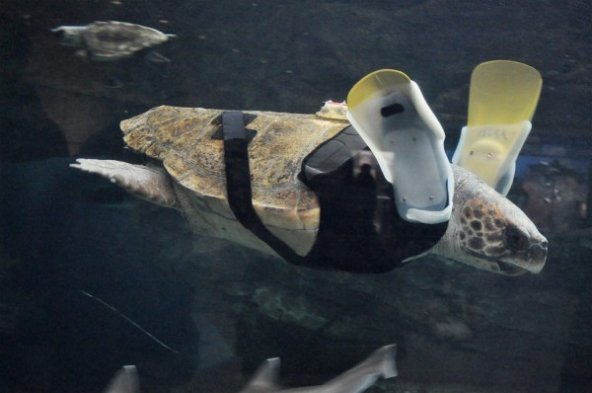
Protez Yüzgeçli Deniz kamplumbağası Yu Chan
Yu Chan, Japonya’da Kobe şehri Suma park akvaryumunda bakılan bir deniz kamplumbağası. Bir kaç sene evvel balıkçılar tarafından bulunduğunda iki ön yüzgeci kullanamayacağı bir halde yaralıymış.
Tokyo Üniversitesinden protez eklemler konusunda uzman araştırmacılar ve bağış yapan bazı kişilerin desteğiyle Yu Chan’ın yaşamını devam ettirmesine yardımcı olacak protez yüzgeç geliştirilmiş. Aşağıdaki videoda hayvanı yüzerken görebilirsiniz. Bu test ettiği 27. çift yüzgeçmiş…
Balıkla kırmızı şarap iyi gitmez…
Cumhuriyet gazetesinin Anadolu Ajansından, Anadolu Ajansının ise İndependent gazetesinden aktardığı bir haberde araştırmacılar kırmızı şaraptaki demirin deniz ürünlerindeki maddelerle reaksiyona girdiğini ve böylece ağızda hoş olmayan bir tat oluştuğunu belirlediler denmiş.
Neye göre hoş olmayan bir tat olduğu net olarak belirtilmemiş ama haberin formatı nedeniyle klasik bir beyaz şarap (yani benim gibi düşünenlerin naçizane görüşümüzce üzüm suyu) lobisi operasyonu ile karşı karşıya olduğumuzu düşünebiliriz. Kırmızı şarapta yoğun olan demirden dem vurulurken haberin sonunda beyaz şarapta da vardır aslında demir ama toz, nakliyat gibi dış mihrakların ürünüdür bu falan diye kem küm edilmiş.
Damak tadınızın kahyası sizsiniz sevgili kırmızı şarapseverler. Ciddiye almayın böyle haberleri. Bilimsel araştırmaları araç olarak kullanarak batıl inanışları savunanlara kanmayın, kırmızıdan şaşmayın. Bu noktada sevgili Çoşkun hocayı anmadan geçemeyeceğim. Kendisini tanıyan tanır. Detaya gerek yok.
İlle beyaz şarap içeceğim çipuranın yanında diye inat ediyor ve araştırmayı yapan Japon bilginlere güveniyorsanız hangi beyaz şarabı içmeniz gerektiğini de kendilerine danışabilirsiniz.
Her neyse, bu sefer beyaz şarap komplosunda maşa olarak kullanılan şahıs California Üniversitesinden Prof. Takayuki Tamura ile meslektaşları olmuşlar. Soğukkanlı bir bilimsel tavırla yaptıklarına şüphe duymadığım araştırmalarına ilişkin makale Journal of Agricultural and Food Chemistry‘de yayınlanmış:
- Iron Is an Essential Cause of Fishy Aftertaste Formation in Wine and Seafood Pairing, Takayuki Tamura, Kiyoshi Taniguchi, Yumiko Suzuki, Toshiyuki Okubo, Ryoji Takata and Tomonori Konno, Journal of Agricultural and Food Chemistry
- Balıkla kırmızı şarap neden iyi gitmez?, Bilim adamları, balığın yanında neden beyaz şarabın tercih edildiğini keşfetti., Cumhuriyet
Bionic eyes become a reality
Today while I was giving a glance on Engadget, I have find an interesting article: “Bionic lens to debut in the next half-decade”
I have always thought since my childhood that having bionic eyes is pretty intriguing. Any one who have watched 6 million Dollar man would probably think alike.
Dante Cesa of Engadget, the author of the mentioned article that according to Professor James Wolffsohn from Aston University in the United Kingdom imagines that within the next decade, the cure to near- and farsightedness will not only exist, but will actually be within reach. Beyond the concept what makes that this is possible is because they are also working with some opthology companies to commercialize the whole concept.
Without any doubt this is a good news with people with eye problems and for blind people. The possibility of combining the bionic lenses/eyes with other type of computer technologies would also make a great contribution and would yield to new advances for people with eye-problems or for professionals like doctors, pilots who might receive additional information about what they see. The potential is endless and advances in nanotechnology and nanoscale fabrication techniques would make possible the creation of these kind of advanced bionic eyes.
Bionic eyed modern Cyclops would replace all concepts previously appeared on comics or movies like Terminator, Bionic Woman…
Some articles related with this issue that I can suggest are:
- A Six Million Dollar Man-style bionic eye, developed using space,
- Bionic Contact Lens – Everything Is Possible
- Bionic lens to restore vision “available in five years” – Telegraph
And some written/visual products related with the issue:
- Bionic eyes: both humans and robots could receive improved vision via a new computer chip. (World Trends and Forecasts): An article from: The Futurist – World Future Society
- The Six Million Dollar Man: The Complete Season One [Region 2 Import – Non USA Format] – Universal
- Bionic Woman – Volume One – Universal Studios
- The Body Electric: An Anatomy of the New Bionic Senses – James Geary
- Biomimetics: Biologically Inspired Technologies – Yoseph Bar-Cohen
The Future of Search
On Google Blog you can read this article: The Future of Search
It is not only suggested to understand the future but also today of “search”. Marissa Mayer, the author of the article foretells that search is today a science that will develop and advance over hundreds of years, like biology and physics in the 1500s or 1600s and that biggest advances are yet to come.
Lithium Ion batteries 10 times longer with nanotechnology
While reading gas2.org I found out about a research held at Stanford University that made it possible increasing the capacity of lithium-ion batteries by 10 through usage of silicon nanowires.
Yi Cui, who was the head of the research team says: “Given the mature infrastructure behind silicon, this new technology can be pushed to real life quickly.”
This is good news. Lithium-ion batteries are used widely nowadays and such a boost in their capacity due to nanotechnological achievements would probably help arise of lots of applications in different fields like energy storage, mobile device batteries, electric-powered automobiles etc.
They managed to increase the capacity of batteries by storing lithium inside tiny silicon nanowires. As they soak up, lithium nanowires inflate four times their normal size but unlike other shapes, they don’t fracture.
You can have a more detailed read:
- Stanford News Service – Nanowire battery can hold 10 times the charge of existing lithium-ion battery
- gas2.org – Nanotechnology Increases Lithium Ion Battery Storage Capacity 10 Times Over by Dana Nuccitelli