Tag Archives: güneş-enerjisi

A Cheaper New Technology for Solar Power

As I usually do, I will say the last thing first, because this one is really striking:

“The energy that reaches earth from sunlight in one hour is more than that used by all human activities in one year”

Wow, I didn’t know that! And they call them ‘high-tech’, all those internal combustion engine cars, turbo diesels, and even hybrids.. It’s all the same crap!

For those who are expecting to see the days finally this abundant source of energy will be widely used on earth, I have good news!

Massey University’s Nanomaterials Research Centre is presenting a newly developed technology that will have cheaper initial costs for solar electric power production, making it more accessible to home owners.

Although it still is in the development phase, the technology is inspired by plants, and it is promising to be 10 times cheaper and much more effective than silicon based photo-electric solar cells.

Dr Wayne Campbell and researchers in the centre have developed a range of coloured dyes for use in dye-sensitised solar cells. The green dye uses a synthetic chlorophyll, a derivative of the light-harvesting pigment plants use for photosynthesis.

Besides being cheaper, I believe that this dye-based technology has another major advantage: It has colour! So instead of the 80’s shiny solar panel looks dictated by the old technology, this one lets people free to choose colour, not only among shades of green, but also other tones too, although the non-greens being based on haemoglobin, the compound that give blood its colour (ahem!)…

Hopefully in our lifetime, instead of paying heating and electricity bills or filling the tanks of our vehicles with petrol, we will be able to use a “really-high-technology” in our autonomous houses that will enable us to use more efficiently the free energy offered by the sun, or travel in our electric powered super-silent vehicles in peace, as far as we desire, without killing each other -and ourselves- with the toxic fumes coming out of the exhausts, and the fear of running out of gas.

For further information, please visit the Massey University website:

http://masseynews.massey.ac.nz/2007/Press_Releases/04-04-07.html
Portugal opens major solar plant

Last thing first:

“Prime Minister Jose Socrates has said he wants 45% of Portugal’s power consumption to come from renewable energy by 2010.

… only one thing to say: CHAPEAU!

The story is, Portugal pushed the start button of the world’s most powerful solar power plant and this is producing the power needed for 8000 homes.

The 11-megawatt plant has 52,000 photovoltaic modules, which will produce 20 gigawatt hours of power each year.

For further news: http://news.bbc.co.uk/2/hi/europe/6505221.stm

Bitkisel Güneş Reaktörleri

Sustainablogun yayınladığı “İngiliz Bilimadamları Yaprağın Gücünü Araştırıyor” başlıklı yazı sayesinde güneşten verimli enerji kaynağı olarak faydalanmayı sağlayacak yapay klorofil üretimi konusunda yapılmakta olan bazı bilimsel araştırmalarla ilgili bir kaç web sitesine ulaştım.

Bu çalışmaların ortak yanı verimliliği arttırma yöntemi olarak bilimadamlarının, biomimicry (bionics) kavramı yani modern teknoloji ve yeniliklerin geliştirilmesi sırasında doğada varolan benzer sistem ve oluşumların incelenerek, ilham kaynağı olarak değerlendirilmesi, hatta kopyalanmasına konsantre olmalarında yatıyor. Dünyayı ve doğayı çok daha iyi anlamamıza yarayan biomimicry araştırmaları sayesinde, doğanın evrimi sırasında sınanmış, denenmiş teknoloji ve sistemlerin yeni yaşam biçimleri ve ihtiyaçlara uygulanmasını hızlandırmak mümkün. Bu sayede doğadan elde edilen kaynakları hammadde ya da zenginleştirilmiş olarak direk tüketmektense, onları oluşturan süreçleri ve sistemleri irdelemek bu kaynakları farklı şekillerde değerlendirme esnekliğini bize kazandıracaktır.

Ayrıca hali hazırda kullanılan sistemlerin iyileştirilmesi ve geliştirilmesi de mümkün: örneğin Sustainablog’da bahsi geçen National Geographic’te yayınlanmış haberde Imperial College’da ki Prof. James Barber ve bir grup bilimadamı, gerçekleştirdikleri çalışmalarla bitkilerin fotosentez sürecini oluşturan kimyasal reaksiyonların daha iyi anlaşılması ve kopyalanması sayesinde güneşten enerji kaynağı olarak sadece üzerine yansıyan ışınların %6sını kullanılabilir enerjiye dönüştürebilen klasik güneş enerjisi panellerine göre daha fazla verim alınabileceğini iddia ediyorlar. J. Barber’ın araştırmasının enteresan bir yanı sadece güneşi değil, bitkileri ve fotosentez süreci sonrasında açığa çıkan oksijen ve hidrojen ayrışmasını incelemesi. Bu sayede yenilenebilir enerji kaynağı olarak çoğu zaman ayrı ele alınan güneş ve biyokütlelerin tek sürecin parçası olarak irdelenmesi söz konusu. Yazının başlığını da bu nedenle “Bitkisel Güneş Reaktörleri” olarak seçtim. Bayağı “high-tech” geliyor kulağa ama sonuçta örneğin bir patates tarlası da bitkisel bir reaktördür diyebiliriz. Konuyu daha sulandırmadan sizi yönlendiriyorum:

Splitting Water Molecules the Next “Green” Power Source? – National Geographic News

Plants use photosynthesis to capture energy directly from the sun, a feat that humans have been striving to achieve for years via solar cells.

“How will mankind be able to supply itself with the levels of energy it needs?” asked James Barber, a biochemist at Imperial College London.

“Really, there is only one solution … to use the enormous amount of sunlight available to us.”

An hour of sunlight falling on Earth equals all the energy that humans use on average in a year.

But to date solar cells have been inefficient energy converters—the most efficient plastic solar cells on today’s market convert only 6 percent of sunlight into usable energy.

Another option is to mimic the chemical reactions in photosynthesis, Barber said, specifically a step known as water splitting…

Güneş gücü rüzgar hızı – Venturi eclectic ve Formula-G Türkiye yarışları

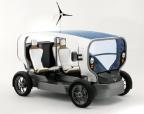
Xataka’da güneş enerjisi ve rüzgar gücüyle ilerleyen Venturi ‘eclectic’ isimli güneş ve rüzgar enerjisi sayesinde ilerleyen arabadan bahseden bu iletiyi buldum. Venturi’nin eclectic modelinin benzer deneylerden farkı Haziran 2007’de piyasaya sürülecek olması.

Venturi - eclectic - The 1st energy-autonomous vehicle

İlk aşamada 200 adet üretilecek Venturi eclectic’in fiyatı 31000$ olarak belirlenmiş. 2009 yılında seri üretime geçtiğinde fiyatın 18000$ a kadar inmesi planlanmış.

Xataka > Coche solar y eólico de Venturi – (Güneş ve rüzgar arabası Venturi)

Bu konuda Tübitak’ın düzenlediği Formula-G Türkiye Kupası Güneş Arabaları Yarışları da geliştirilmiş değişik tasarım ve çözümlerin denendiği enteresan bir ortamı Türkiye’de oluşturmuşa benziyor. Elde edilen tecrübeler ve denemelerin endüstriyelleşip, ürünleşmesi bir amaç olmalı.

ODTÜ Temiz Enerji Kulübünün (ODTÜ-TEK) sayfasından güneş enerjisi ile işleyen araçlar ve Formula.G ile ilgili gazete yazılarına ulaşabilirsiniz.

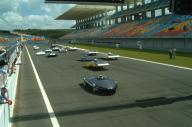
Formula-G Türkiye Kupası Güneş Arabaları Yarışları 2006

2006 yılındaki Formula-G yarışına katılımın ve ekipler arasındaki rekabetin ilk yıla (2005) göre bayağı arttığı anlaşılıyor. Takım sayısı artmış. Tübitak Formula-G sayfasında esprili markasıyla dikkat çeken Saguar (Sakarya Üniversitesi İleri Teknolojiler Uygulama Topluluğu SAGUAR Projesi) ekibinin Tübitak’a yolladığı dargınlıklar bitsin mektubu ise yarışın gerginliğinin pistten padoğa kadar sarktığını gösteriyor. 🙂

Google to Convert HQ to Solar Power

Google to Convert HQ to Solar Power (from newsvine)

Martin Mystere bu yaziyi yollamis. Yenilenebilir enerji kaynaklari ile ilgili olanlarin ve google meraklilarinin ilgisini çekecektir.

Technorati Tags: , , , , , , ,